
Edit: Added a note to one of the resources (The Body Keeps the Score)
In the last few years, my life has transformed.
A few years ago, I was so depressed that I couldn’t physically smile. I couldn’t listen to music. I abandoned all of my life-giving hobbies. I had brain fog so thick I couldn’t even form coherent sentences in conversations (which is excruciatingly debilitating for people whose whole sense of self and entire identities growing up were built around intelligence and achievement). The amount of grief, trauma, and fear I was dealing with every day turned me into a shell of myself.

I didn’t know where Lizzy had gone. All I wanted to do was find her, but when I say I was a shell, what I mean is that the fire of my being was reduced to ashes to the point of a single spark underneath heaps of cooling coals that I barely had the strength to turn over.
I didn’t even find that lone spark on my own. Someone else who came into my life for a short time found it. (Side note: When that person left, I was devastated and handled it very poorly because I was such a mess and truly felt like that person had saved me. But that’s a whole other story for another time that I’ll probably mostly keep to myself and hash out in my recurring dreams forever).

After a few years of stumbling through therapists that were not the right fit, losing insurance, leaving jobs, starting new jobs, and finding new therapists—I finally found a therapist who I love who has been an amazing fit and helped give me the tools I needed to help myself. And over the last few years of working to stitch myself back together, there’s a huge difference.
Now, please don’t misunderstand me. I’m not saying I’m magically fixed. Healing and mental health are a lifetime journey that is in no way linear. I want you to imagine a roller coaster that has big drops, corkscrews, and loops (kind of like The Batman Ride at Six Flags over Georgia which is my absolute favorite). If you were to draw out the design of that rollercoaster on a piece of printer paper (but in rough sketch stick figure form), that would be what healing looks like for most people. You’re moving forward overall, but who knows how? (I also like to think of it as “Jeremy Bearimy” for my Good Place lovers).
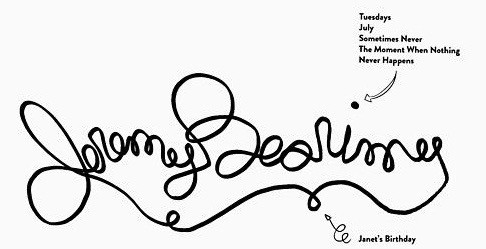
As of late, my anxiety and stress are mostly manageable. My mind feels clear again. I have about 3-6 hobbies I keep trying to juggle. I feel like myself. And even though there are still days where I am completely heartbroken about the world and feel helpless to make a difference or I feel stuck in a place I dislike struggling through the day-to-day lists of all I’ve got to do—I feel alive again. I found myself again. And keep finding more of her every day.
But something that has become painstakingly clear to me in the last year through conversations with several friends is that reminder of how difficult it can be to find a good therapist in the United States. And that’s for those who have the resources and means to even go to one if they can find one.
Therapy has become a luxury for many. Even though there are lots of therapists who use a sliding scale based on income, it’s so hard for people to find someone who feels helpful.

How do you find a good therapist? And what the hell do you do if you can’t afford to go one or are still on the search for someone you like?
I am not a licensed professional, so please understand that before reading further. I am sharing many of the things I’ve learned and several resources I’ve been given by my therapist(s) through my mental health journey.
How to Find a Good Therapist
Therapists are people. Just like with finding friends or dating or looking for jobs—there are bad fits, excellent fits, and everything in between. The therapist that I found and hold so dear may not be the best therapist for someone else. I’ve had friends who have raved about their therapists and thought to myself, “God, that person sounds awful. I could never work with a therapist like that. But if it works for them, that’s cool.”
If you are looking for a therapist, you have some power and choice in who you choose. There can still be frustrations and limitations along the way like insurance/cost, waiting lists/availability, and potentially changing your mind about someone after you’ve started seeing them, but that’s ok.

Here are some tips for finding a good therapist. Some are more involved and take a little energy, which I know everyone may not have. If any of these ideas look good to you and you have the capacity to use them, go for it. And if they don’t sound good or you don’t feel like you can do it, leave it. These are meant to help you but are not things you should ever feel you have to do.
- Psychology Today has a Find a Therapist feature. You can search for your zip code to pull up therapists in your area. They’re able to create a profile that shows a picture of them and tells you a little about who they are and the areas they specialize in. You can also use filters to narrow down therapists who work with specific issues, insurance, gender, use specific types of therapy, price, age group, and more. It will provide a way to contact them and will typically show if there is a waitlist.
- If you have insurance, you can also go to your insurance company’s provider search tools. Searching for a therapist through them will narrow down who takes your insurance. Keep in mind that many therapists are self-pay and the options might be limited here.

- Interview potential therapists! You can always reach out to ask a potential therapist questions to see if they might be a good fit for you or not. You don’t have to take a shot in the dark and just pick someone without having any knowledge. By the way, a good therapist will never be annoyed that you’re doing this. They’ll be understanding and helpful. If you have been through a few therapists you haven’t liked much, you might have a better idea of what questions to ask. You can ask if they specialize in what you want to focus on in therapy, what their goals are for therapy with you, how they approach therapy, and what their availability looks like. You can ask them how they have dealt with their own challenges in life, if they are tough and will call you out on things (which some people need) or if they are gentle and encouraging (which some people need). If they’re willing to answer the questions and if they seem like they’ll work well with what you feel like you need, give them a chance. Sometimes we don’t know what we need, and that’s okay too. Figuring those things out is part of the journey.

- Don’t be afraid to change therapists. That said, make sure you give it enough time to figure out if it’s a good fit. It may take a few sessions to really get into it and know. This part can be frustrating, but when you’re investing your time, focus, and money into your mental health, you want to make sure that the therapist you have will help you reach your goals for therapy. If you aren’t seeing progress, clash with how they approach therapy, or don’t have the availability you need it might be time to look for a better fit. It can be hard to decide if that’s needed, and it’s different for everyone. But if you’ve given it time and it isn’t working, make sure you’re prioritizing your needs for your mental health.

What to Do if You Can’t Access a Therapist
Not everyone can afford a therapist. Sometimes finding a therapist who is a good fit and also has the availability that you need doesn’t line up. What can you do if you don’t have access to a therapist?
Diagnoses are a very important part of mental healthcare. Medication is also extremely important for many people. And if there is any way you can see a provider for those things, please don’t just skip that or ignore it.
But if you need some help right away, there are resources out there.
Emergency Help
The National Suicide Prevention Lifeline is 1-800-273-8255. Starting July 16, 2022, any individual can dial 988 (like 911) to reach this lifeline in an emergency.
If you struggle with suicidality or know someone who does, I’d recommend adding this to your contacts. There’s also a chat feature on their website.
You can also text HELLO to 741741 to reach the Crisis Text Line.
Their website has resources for getting help, learning, getting involved, and providers.
911 may also be dialed for an immediate emergency.
Recognized Resources
NIH, The National Institute of Mental Health, has resources sorted by topic that can provide general information about different disorders as well as tips for helping manage them. This particular resource has graphics, fact sheets, statistics, and YouTube links to helpful video resources. They also share helpful information on their social media platforms.
NAMI, the National Alliance on Mental Illness, also has tons of resources. They have information about warning signs and symptoms, different mental health conditions and common mental illnesses, treatments, and more. You can find support groups, wellness resources, and a little bit of everything in their video resource library. They also share helpful information on their social media platforms.
Grounding Techniques and Physical Needs
Engaging your physical senses is one of the best ways to get grounded if you are experiencing and panic attack, anxiety attack, flashback, or other types of emotional overwhelm.
The 5-4-3-2-1 technique engages each sense to help bring you back to control. Often, when we have mental health distress, it presents in our bodies. This technique and others like it engage our mind and body together to shut down fight or flight. Breathing techniques and cold or iced water also have this effect.
A cozy atmosphere, quiet space, hot bath, scented candles, loving on a pet, and other calming sensory engaging tools work great with these, too.

Progressive Muscle Relaxation is another excellent grounding technique. It helps in the moment and also over time. Learning to recognize signs of stress in your physical body can help you identify when your emotions are becoming overwhelming or you are about to spiral. Over time, the more aware you become of these as they start happening, the quicker you can take steps to help yourself through those moments.
Eating a balanced diet can help as well. If nothing else, limiting sugar can help regulate mood. If you’re like me, that one can be really hard. Especially if you like to stress eat. You don’t have to do a full lifestyle change (aka diet) here. Just be mindful that sugar doesn’t only affect young children negatively.
Exercise, which can be as simple as stretching or taking a short stroll outside, can also naturally release dopamine in your brain and helps your mental health.
Books, Workbooks, and Courses
There are tons of therapy books and workbooks out there for about anything you can imagine. For some people, that’s boring and a chore. For others, it’s fascinating and engaging. If you fall in the second group, you can find some excellent tools here.
Here are some I’ve used that I like:
Mind Over Mood workbook for depression, anxiety, and mood
It’s Ok That You’re Not Ok for grief
Gottman Institute for relationship work
Hold Me Tight for relationship work
The Gifts of Imperfection for developing self-compassion
Intuitive Eating Workbook for different types of eating challenges
The Body Keeps the Score for trauma. Keep in mind, this is a difficult read if you have a history of trauma. It may not be for everyone and may not be for certain parts of the journey. While it is the gold standard book on trauma, it would be more beneficial to do some trauma work and get to a more comfortable place working on your trauma before diving in here.
Internal Family Systems for trauma
Cards
If you’re more of a visual person, there are also card decks that can help.
The last section mentioned Internal Family Systems for trauma. These Inner Active Cards are beautifully illustrated cards that help with IFS and identity work.
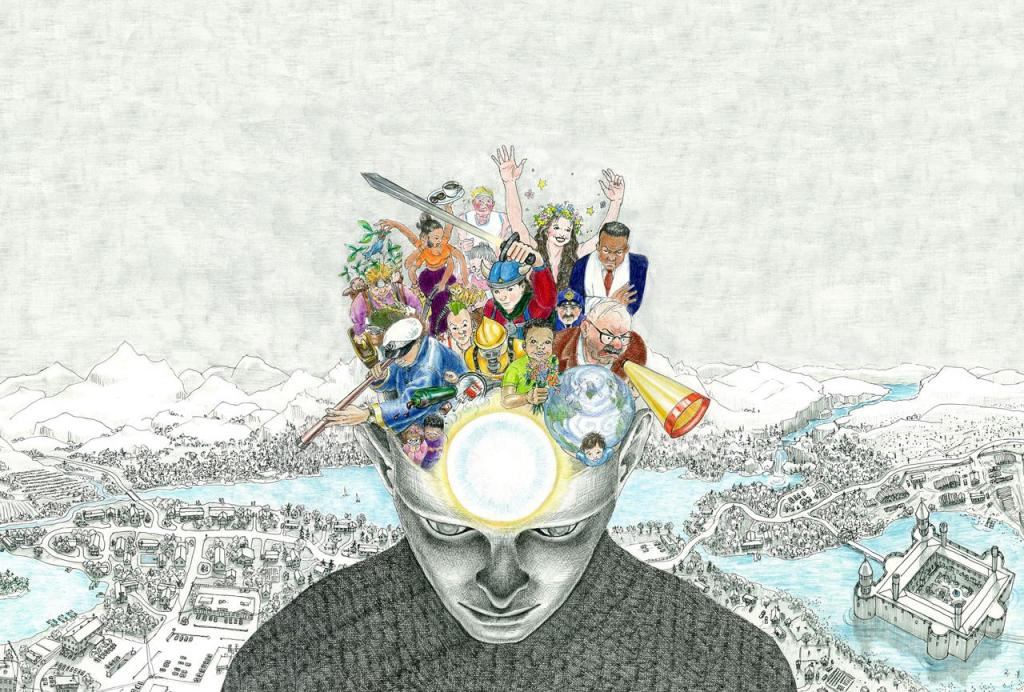
The Mixed Emotions card deck is another beautifully illustrated set of cards that can help you identify emotions you are feeling, see how your emotions progress in different situations, and help you understand how to make choices informed by what your feelings are telling you. These are excellent for building emotional awareness and are also fun to play with! If you often say “I feel so bad today” these will help you understand what “bad” means so that you can distinguish between angry, sad, disappointed, trapped, etc… Or it can help you determine if “good” is grateful, excited, energetic, determined, or another number of emotions. Understanding the differences between your emotions helps you know why you feel that way, the thoughts around those feelings, and what to do about them.

Conclusion
Your mental health journey is your own. My hope is just that I can share something that may be helpful along the way! Again, please remember I’m not a licensed mental health professional and just a fellow traveler along the way.
If anyone has other resources they’d like to share, please feel free in the comments. Please note that any comments trying to advise or diagnose others will be deleted. Any comments that are unkind or inappropriate will be deleted.
Take care of yourself. You are very much worth it.

 Lizzy Thinks Too Much